Material route
Cast aluminum, malleable iron and engineered nonmetallic materials are common routes. Alloy or resin selection, wall integrity, thread quality, gasket compatibility and finish should be reviewed for the installation environment.
Corner body forms pending SKU and intended-system confirmation.
Most parts in this range are made or adapted for a drawing, sample, mating interface and order program. The image on this page represents the product family; final geometry, material, finish, inspection and marking are confirmed in the quotation.

Nonmetallic Corner Bodies belongs to the conduit system component category. Material names, standards and coating descriptions below help buyers structure an RFQ; they are not a declaration that every offered configuration complies. Grade, edition, inspection level and acceptance criteria belong on the controlled drawing or purchase specification. (industry reference data, final values per drawing/quotation)
Cast aluminum, malleable iron and engineered nonmetallic materials are common routes. Alloy or resin selection, wall integrity, thread quality, gasket compatibility and finish should be reviewed for the installation environment.
Use the tensile strength, yield or proof strength, elongation, hardness, impact and heat-treatment requirements published for the selected material grade. Relevant properties differ by product form and test-piece basis. They describe material quality, not the capacity of the finished Nonmetallic Corner Bodies; final suitability depends on geometry, interfaces, manufacturing condition and verification.
Specify plain, zinc-coated, hot-dip galvanized, painted, passivated or another compatible finish by a recognized coating specification where applicable. Define preparation, appearance, restricted substances, repair rules, packaging and required inspection documents instead of relying on a color photograph.
| Reference | Standard name | How to use it |
|---|---|---|
| UL 514A | Metallic Outlet Boxes | Use as an RFQ reference only when applicable; edition, scope and acceptance evidence must be agreed. |
| UL 514B | Conduit, Tubing, and Cable Fittings | Use as an RFQ reference only when applicable; edition, scope and acceptance evidence must be agreed. |
| CSA C22.2 No. 18.3 | Conduit, tubing, and cable fittings | Use as an RFQ reference only when applicable; edition, scope and acceptance evidence must be agreed. |
| NEMA FB 1 | Fittings, Cast Metal Boxes, and Conduit Bodies | Use as an RFQ reference only when applicable; edition, scope and acceptance evidence must be agreed. |
| ASME B1.20.1 | Pipe Threads, General Purpose (Inch) | Use as an RFQ reference only when applicable; edition, scope and acceptance evidence must be agreed. |
| EN 10204 | Metallic products — Types of inspection documents | Use as an RFQ reference only when applicable; edition, scope and acceptance evidence must be agreed. |
Specification caution: naming a material, coating or dimensional standard does not create a product rating, approval, certification or warranty. Any required capacity, pressure class, temperature limit, listing or test must be confirmed for the exact quoted part. (industry reference data, final values per drawing/quotation)
Selection for Nonmetallic Corner Bodies should begin with conduit trade size, hub direction, wiring access, enclosure material, sealing method, location classification and applicable electrical code. Keep required facts separate from supplier proposals so reviewers can see what is mandatory and what remains open. (industry reference data, final values per drawing/quotation)
| Decision | Information to provide | Why it matters |
|---|---|---|
| Interface and geometry | Drawing, nominal or actual dimensions, tolerances, mating components, clearances, orientation and accessible assembly space. | Prevents selection from a family name or image and allows the complete connection to be checked. |
| Service condition | Function, direction of forces, movement, vibration, indoor or outdoor exposure, moisture, chemicals and maintenance access. | Guides material, finish, locking, restraint and inspection choices without inventing an unverified rating. |
| Compliance route | Destination market, governing code, required standard edition, customer specification, marking and third-party approval needs. | Separates a generally suitable design from a configuration qualified for a regulated project. |
| Supply and quality | Quantity, release pattern, drawing revision, critical characteristics, sampling, traceability, packaging and documents. | Aligns manufacturing and inspection with the commercial requirement and repeat-order control. |
Ask the supplier to identify exclusions and assumptions in the quotation. Compare offers against the same revision and requirement list; a lower price is not comparable if material, coating, inspection, packaging or documentation scope differs. Final commercial values remain per quotation.
(industry reference data, final values per drawing/quotation)
Match labels, part identity, material or heat references where required, quantity and documents to the purchase order. Quarantine mixed, damaged, corroded or unidentifiable pieces instead of releasing them to installation.
Verify the actual mating dimensions, thread or connection form, contact surfaces, orientation and working clearance. Clean protective debris without removing functional coatings or altering critical edges.
Match every hub to the listed conduit system, keep threads and sealing surfaces clean, maintain conductor bending space, fit the specified cover and gasket, and preserve grounding, bonding and enclosure requirements. Installation must follow the applicable electrical code and approved product instructions. Any torque, clearance, sealant, gasket, lubrication or locking value must come from the approved instruction for the exact product.
Record completion where the quality plan requires it. Inspect for seating, alignment, locking, leakage where relevant, coating damage and interference. Establish service checks from the system risk assessment and replace parts that fail the applicable acceptance criteria.
Compare straight, corner and tee body forms by conductor pulling path and access; compare metallic and nonmetallic constructions by grounding, corrosion, impact and environmental requirements. Compatibility includes the mating dimensions, material couple, coating, fastener or seal system, installation method, inspection basis and service environment. (industry reference data, final values per drawing/quotation)
Best when an established size, connection and documented product scope match the application. Confirm the exact designation and do not extend published information to another variant.
Useful when the required function or interface differs. Review the whole assembly, because an alternative component can move forces, change clearances or require different accessories and installation controls.
Consider when geometry, material, marking, finish or packaging cannot be met by a standard item. Freeze the drawing, validation plan and change-control route before repeat production.
(industry reference data, final values per drawing/quotation)
No. The reference helps define material, dimensions, coating, test method or use practice within its own scope. Compliance requires the applicable edition, product configuration, acceptance criteria and agreed evidence. A standards list on a general webpage is not a certificate.
Name the material standard, grade, product form, heat-treatment condition where relevant, required inspection document and any supplementary tests. Use the values in the governing published standard rather than copying an isolated number. Finished-product capacity or performance still requires design and verification for the exact geometry.
Provide a legible drawing or complete dimensional description, application and mating parts, material and finish, quantity and release schedule, destination market, required standards, critical characteristics, marking, packaging and document needs. Identify any requirement that cannot change.
Only after technical and commercial review. A substitute can change strength, ductility, corrosion behavior, friction, thread fit, coating thickness, galvanic compatibility, manufacturing route and inspection evidence. Record an approved deviation before production.
Request verified data for the exact part number, revision, material, assembly orientation and mating components. The quotation or approved technical package should state the applicable basis. This page intentionally supplies no invented load, pressure, temperature or price values.
Check identity, quantity, revision, obvious damage, corrosion protection, critical dimensions and the documents named in the purchase order. Sampling, gauges and acceptance limits should be agreed in the quality plan. Keep nonconforming items segregated pending disposition.
A custom route is appropriate when the standard interface, geometry, material, finish, marking, inspection or packaging cannot satisfy the application. Provide annual demand and validation expectations so tooling, casting, forging, stamping, machining or fabrication options can be reviewed.
Reference the approved drawing revision and agreed specification, preserve approved samples or inspection records as appropriate, and require notification before material, process, tooling or supplier changes that affect critical characteristics. Reconfirm requirements after a design or application change.
Define the raceway system, trade size, corner orientation, conductor fill/pull requirements, cover method, location and sunlight/chemical exposure. Nonmetallic conduit bodies in U.S. certification routes are associated with UL 514C — Nonmetallic Outlet Boxes, Flush-Device Boxes, and Covers and UL 514B as applicable. The exact resin, flame behavior, impact performance and temperature range belong to the evaluated product; do not infer them from color.
Use only compatible solvent-cement or joining instructions for the named raceway. Dry-fit alignment before bonding, prevent cement from entering the wireway, respect cure time and avoid using the body to correct misaligned conduit. Confirm gasket and cover seating before conductor pulling.
Research sources: UL Solutions mechanical-support and assembly services, nonmetallic conduit-body category; NEMA conduit-fitting guidance. Accessed August 1, 2026.

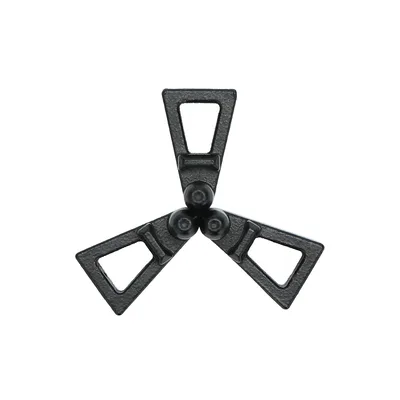
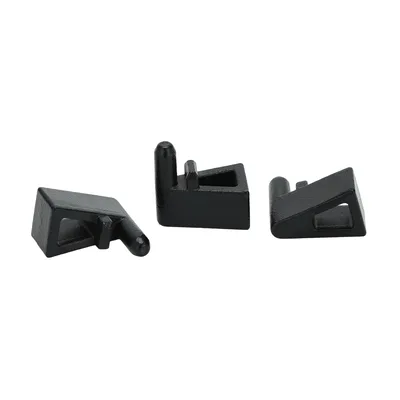
Corner body forms pending SKU and intended-system confirmation.
Product identity note: Commercial name and intended system must be confirmed from the SKU, drawing or sample before quotation.
| Product family | Conduit Bodies |
|---|---|
| Supply route | Standard configuration or made to requirement |
| Materials & finish | Cast metallic or nonmetallic construction, cover, gasket and finish are confirmed for the quoted configuration. |
| Applications | Conduit routing and access points where the exact electrical system and installation requirements are defined. |
| Documentation | Inspection, traceability and shipment records agreed per quotation |
Specify conduit trade size, body configuration and opening direction, hub or thread type, cover and gasket, material and finish, environment, applicable standard and destination market.
Nonmetallic Corner Bodies are part of the conduit bodies family. Corner body forms pending SKU and intended-system confirmation.
Specify conduit trade size, body configuration and opening direction, hub or thread type, cover and gasket, material and finish, environment, applicable standard and destination market.
Cast metallic or nonmetallic construction, cover, gasket and finish are confirmed for the quoted configuration. Availability is confirmed for the exact geometry, quantity and service conditions.
Check the mating geometry, service environment, critical dimensions and documentation needs. Final suitability is verified against quoted product data.
Drawing-based development can cover geometry, material, machining, finish, marking, packing and inspection requirements, subject to manufacturing review.
List required inspection and shipment documents in the RFQ. Applicable records are agreed before order confirmation.